Demystifying Greenwashing and Embracing Authentic Communication: A Guide for UK Small Businesses

Updated:
August 2023

What do the experts think...

With the growing focus on sustainability, many businesses are eager to present their green credentials. However, a looming fear of greenwashing often leads to hesitation in communication. In some cases, businesses may unknowingly exaggerate or mislead their audience about their environmental contributions, adding to the confusion around greenwashing. 

The truth is, a handful of companies, including some big banks, have inadvertently set a negative precedent, leading to this wide-spread apprehension. However, it's important to note that avoiding greenwashing is achievable and within grasp for every business. This blog post aims to help UK small businesses understand greenwashing and how to steer clear of it while authentically communicating their sustainability efforts.

Understanding Greenwashing

Greenwashing involves marketing or advertising that misrepresents a company's environmental, ethical or sustainability practices. Often, the intention isn't deception, but rather an effort to highlight a business's eco-friendly efforts, even if they fall short of their claims.

Greenwashing can manifest in various forms, such as:

  • Making vague claims like "eco-friendly" without substantial evidence.
  • Using symbols related to nature to imply environmental responsibility without clear justification.
  • Emphasising minor green attributes of a predominantly unsustainable product.

The Importance of Avoiding Greenwashing

Greenwashing might seem like a tempting short-term strategy to enhance sales or improve reputation, but it could severely harm a company's image in the long run. Regulatory bodies, such as the UK's Advertising Standards Authority, are vigilant about misleading green claims, and the repercussions include fines, advertising bans, and reputational damage.

However, perhaps the most significant consequence of greenwashing is the erosion of customer trust. In an era where transparency is paramount, customers can feel betrayed by deceptive sustainability claims, resulting in long-term damage to the company-customer relationship.

Navigating Past Greenwashing

It's natural for businesses to feel apprehensive about communicating their sustainability efforts, but avoiding greenwashing doesn't have to be a daunting task. Here are some guidelines that can help:

  • Understanding your Environmental Impact: It's essential to measure and understand your business's environmental impact, such as carbon emissions. Awareness is the first step towards transparency.
  • Setting Realistic Goals: Establish clear, attainable sustainability targets and regularly communicate your progress to your customers.
  • Keeping Language Precise: Avoid vague, broad language. Back your claims with factual, verifiable evidence to build trust.
  • Earning External Validation: Seek sustainability certifications from reputable bodies, reinforcing the credibility of your green initiatives.
  • Prioritising Transparency: Regularly share sustainability reports that highlight consistent improvement. Authentic communication fosters trust.

Remember, it's better to authentically communicate your business's current sustainability efforts, no matter how small, rather than exaggerating your green efforts.

The fear of greenwashing shouldn't deter SMEs from expressing their sustainability journey. By prioritising transparency, setting realistic goals, and continually communicating their progress, businesses can avoid greenwashing while also building an authentic green reputation and a trusting relationship with their customers. We believe that you have the power to make a difference, and it's time to share your story confidently.

Got a question? 
Interested to learn more?

Trace can help you at each stage, at your pace, aligned to your goals.

Reach out to talk to one of our friendly team now

Free ASRS resources to help you upskill & prepare

Just learning about ASRS

The ASRS Strategy On A Page

Start here if you're new to ASRS. Get a complete overview of what's required, key deadlines, and your step-by-step compliance roadmap in one visual guide.
Download now
See what others are doing?

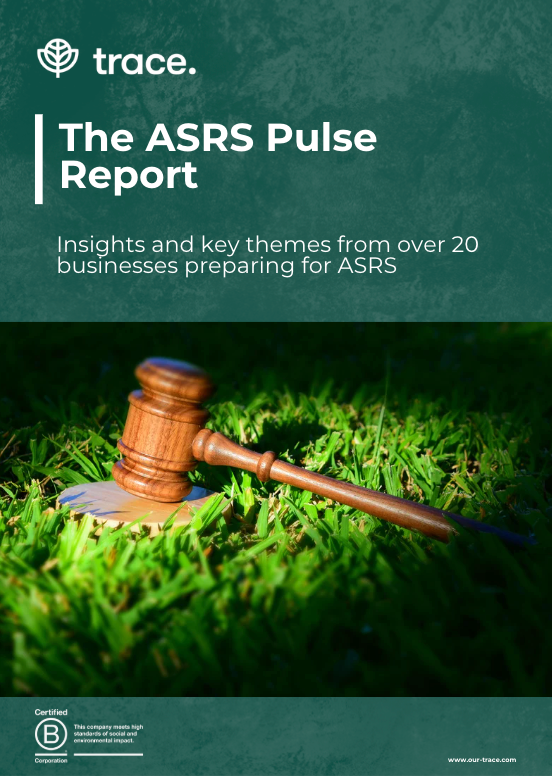
The ASRS Pulse Report 2025

See how other Australian businesses are preparing. Benchmark your readiness against industry peers and learn from early adopters' experiences and challenges.
Download now
Ready to start implementing

The ASRS Prep pack 2025

Ready to take action? This comprehensive toolkit includes templates, checklists, and practical frameworks to begin your ASRS implementation immediately.
Download now
Asses your current position

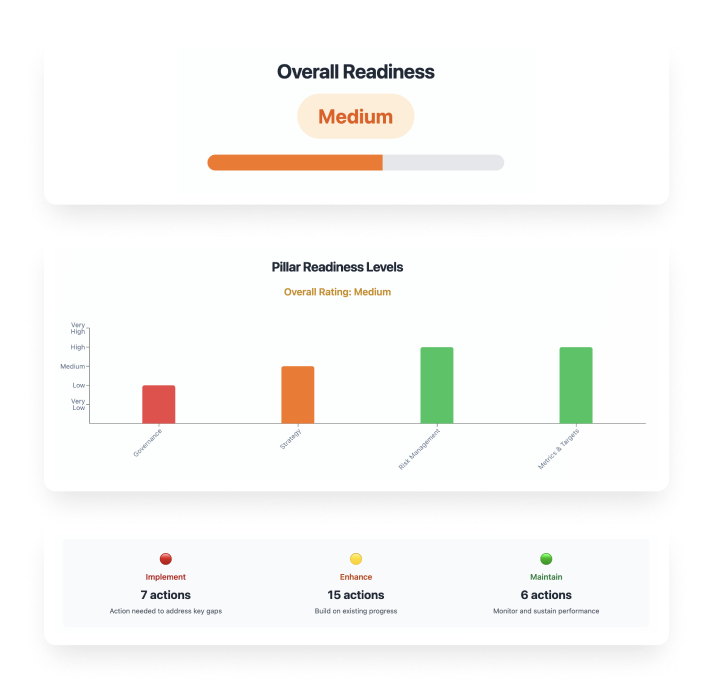
AASB readiness assessment (free!)

Know exactly where you stand. Take this 5-minute assessment to identify your compliance gaps and get a personalised action plan for your business.
Download now

✉️ Newsletter: Climate Reporting Simplified.


This monthly edition unpacks what mandatory climate reporting really requires and how to minimise cost, disruption & confusion.

Thank you! Your submission has been received!
Oops! Something went wrong while submitting the form.

Newsletter:  Climate Reporting Simplified.
This monthly edition unpacks what mandatory climate reporting really requires and how to minimise cost, disruption & confusion.

💚 Don’t worry, we won’t spam!

London - Sydney

© Copyright 2025 Trace | All Rights Reserved