.png)
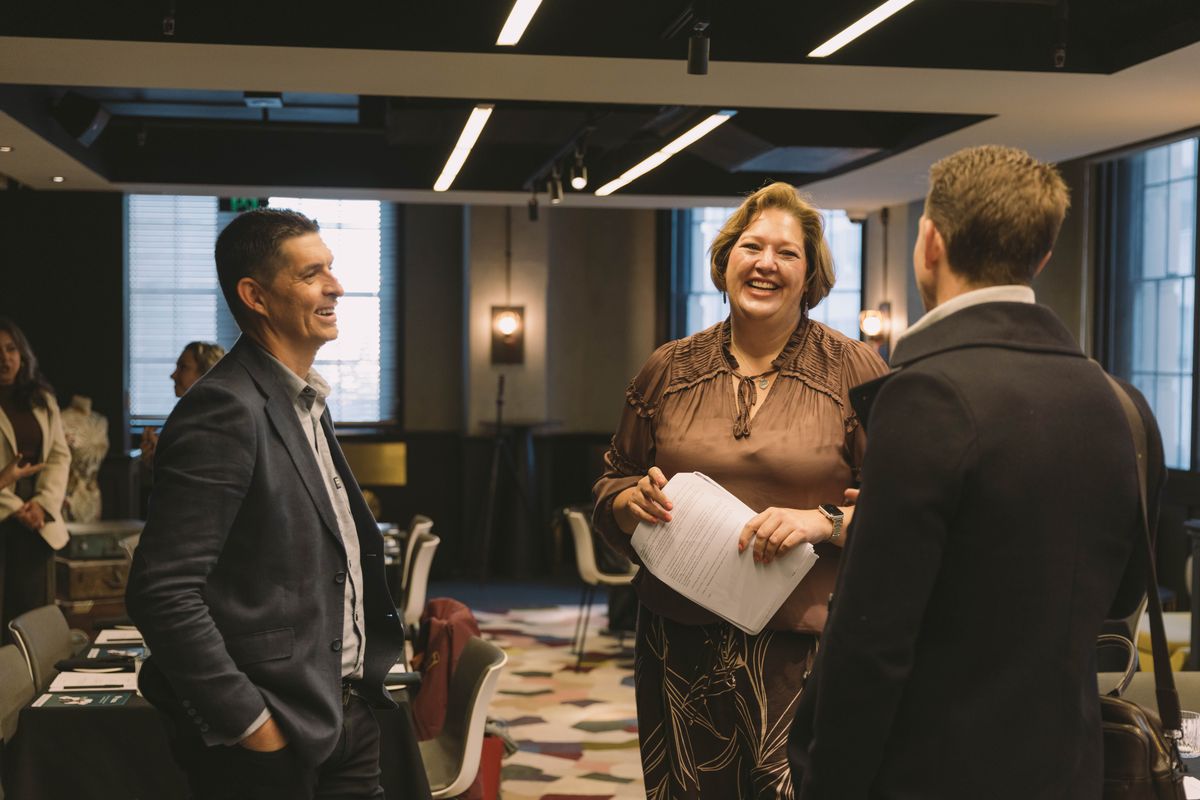
When Trace hosted our recent ASRS webinar on Australia’s new sustainability reporting standards, the most common comment from attendees was this:
“I’m nervous. I don’t know where to start.”
We get it. The AASB S2 (climate disclosure) standards can feel overwhelming. But what came through loud and clear in our conversation with Emma from Paddy Pallin and Trace delivery partner Rachael Brock was this: you don’t need to be perfect, you just need to start.
Emma, Paddy Pallin’s Partnerships and Sustainability Manager, has been leading the charge. Their team started early—really early. Before the standards were even legislated.
“We saw it as an opportunity to gain quality insight into our climate risk and resilience in the outdoor industry,” Emma explained.
“We had time to review and compile our baseline data. My exec team gave deep consideration and ultimate approval for our recommended timeframe, 18 to 24 months in advance.”
This wasn’t a side project. It became a strategic lever.
The first step? Carbon accounting. Then a gap assessment. Then building an action plan.
But they didn’t go it alone.
“It became very evident early on that we needed external support,” Emma admitted.
“I did a lot of due diligence—demos, discovery calls—and we chose Trace because they provided great software, were transparent, and understood the Australian reporting environment.”
Rachael, who has worked with dozens of businesses across Australia and previously with KPMG, underlined that getting started early is key, not just to prepare but to discover.
“Almost every business finds a surprise in their first year of emissions reporting,” she said.
“Sometimes your biggest emissions source is one you didn’t expect, and your cleanest data might not matter much. Focus on where it’s material.”
Emma kept it real. She originally thought the team could do it all in-house.
“I was a little naive,” she said.
“Once I saw the complexities—carbon factors, ratings, data structures—it was clear we needed help.”
She offered practical advice for other lean teams:
Rachael added:
“Don’t try to jump to net zero commitments without measuring your emissions. Set goals you know how to achieve. Once it’s public, you can’t take it back.”
At the end of the session, both panelists shared their quick-start advice:
Emma:
“Progress over perfection. Once you take your first step in this journey, the path starts to form in front of you.”
Rachael:
“Start your emissions and gap assessment now. Upskill someone internally. And really understand your stakeholders’ expectations. Disclosure is mandatory, but what you say is up to you.”
The audience raised some excellent questions, including:
Q: How do you get resistant leadership teams on board?
Rachael: “Frame it around risk. This isn’t optional. Show them deadlines, penalties, and the risks of greenwashing.”
Q: What’s the hardest part of the process?
Emma: “The data collection. We’re a long-established business, so this was a cultural shift. That’s why we started early.”
Q: What’s next for Paddy Pallin?
Emma: “We’re developing a continuous improvement plan and building the foundation for a future-facing transparency report.”
Paddy Pallin’s story is proof: climate reporting doesn’t have to be scary or performative. It can be a tool for clarity, strategy, and leadership. You just need to start.
If you’re unsure where to begin, Trace is here to help, with the tools, templates, and real-world guidance to get you moving.


London - Sydney



.png)
.png)