
.png)
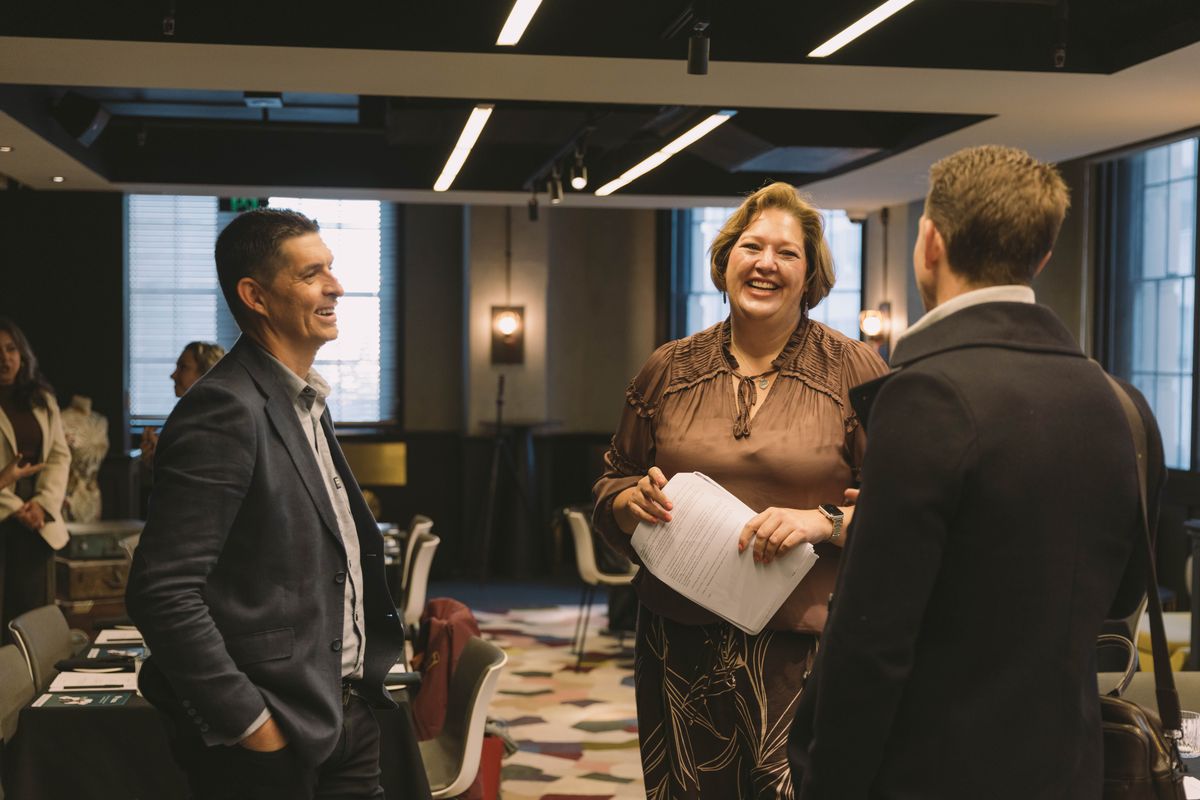
In February 2026, Trace hosted a breakfast event in the Sydney CBD, gathering finance, ESG, and executive leaders for an unfiltered conversation about ASRS readiness. No slides, no theory — just a practical discussion about what credible, cost-conscious climate reporting preparation actually looks like.
Our guest speaker was Rene Muller, Advisory & Assurance Partner at SW Accountants & Advisory — a leading Australian advisory firm with deep expertise in sustainability assurance and financial reporting. She was joined by Rachael Brock, Climate Reporting Expert at Trace, facilitated by Trace co-founder John Claridge.
The consistent message from the room: start practical, stay proportionate, and build capability over time — rather than aiming for perfection from day one.
Here are the nine things that stood out.
Australia's new climate reporting standards (AASB S2 / ASRS) represent one of the most significant shifts in corporate reporting history. The Treasury has estimated implementation costs of between $750,000 and $1.6 million per organisation, and the standards span more than 260 pages. Finance, legal, ESG, and operations teams all have a role — but in many organisations, those conversations haven't started.
The question this breakfast was designed to answer: what do we actually have to do, and how do we do this without breaking the budget or derailing everything else?
Across the room, cost came through as the primary constraint — regardless of organisation size. While some large listed entities may invest heavily, most are looking for credible compliance without a six-figure price tag. The consistent question: how do we meet requirements confidently while keeping costs proportionate to the risk?
There is still uncertainty around enforcement timelines, but the direction of travel is clear: ASRS disclosure is not optional. Many organisations are already stretched, but delaying simply compresses timelines and increases disruption later. Starting early allows teams to spread the effort, align with other business priorities, and retain control over the process.
Board and executive buy-in is central to getting started. Framing ASRS disclosure purely as a compliance or risk management exercise rarely resonates with boards or CFOs. Stronger internal cases connect climate reporting to access to capital, customer retention and revenue protection, competitive positioning, and long-term organisational resilience.
Efficiency matters, but accuracy and credibility matter just as much. Across finance, legal, ESG, and operations functions in the room, there was clear recognition that boards need confidence in both the numbers and the narrative — particularly given the personal accountability that comes with sign-off on climate disclosures.
Even in organisations with a dedicated ESG function, the finance team is deeply involved in climate reporting. In many others, there is no ESG team at all. Either way, this creates a steep learning curve — and a real opportunity for finance to step into a more strategic role in the sustainability transition.
There was strong openness across the room to using AI to streamline processes and reduce manual effort. At the same time, the consensus was clear: expert oversight remains essential, particularly in early reporting years. AI works best when paired with experienced judgement to ensure outputs are credible, defensible, and aligned with the specific context of the organisation.
Automating the processing of financial and operational data is already delivering meaningful efficiency gains for organisations that have started. Over time, automating data flows at the source offers even greater value — but most in the room expected to build toward this gradually, rather than achieve it immediately.
Despite growing familiarity with the concept, Scope 3 remains the most challenging area — particularly around data quality and supplier engagement. Many organisations are concerned about data availability and, in doing so, sometimes overlook more pragmatic approaches and assume a level of precision that simply isn't required in Year One.
For financial institutions in the room, financed emissions presented a distinct challenge: methodology complexity, data availability gaps, and consistency across portfolios. The conversation reinforced the need for pragmatic starting points and clear improvement pathways — rather than waiting for perfect data before beginning.
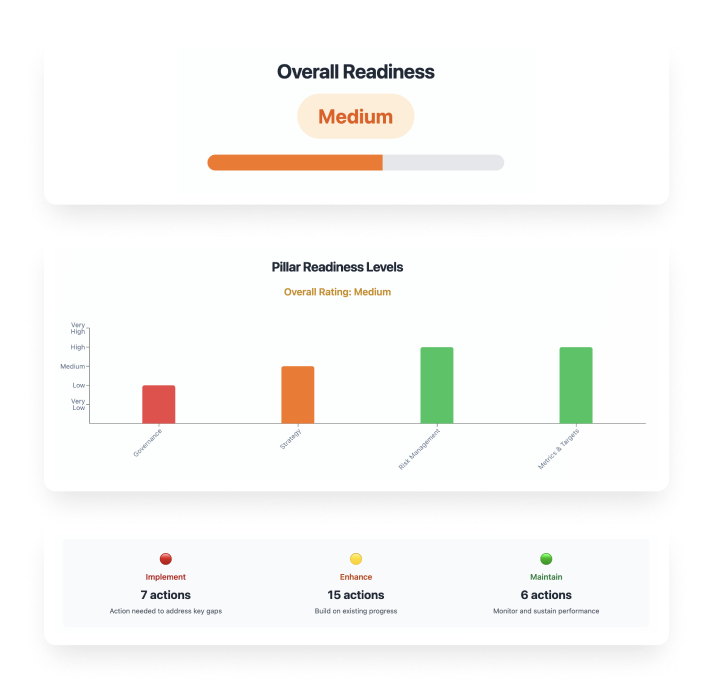
This is exactly the philosophy behind Trace's Minimum Viable Compliance framework. We've distilled the ASRS standards into the critical Year One requirements, built a simplified compliance roadmap, and developed automated tools to reduce manual effort — all supported by expert oversight.
It's not about cutting corners. It's about doing what is required, doing it credibly, and building a foundation that strengthens over time.
This event was hosted by Trace with expert guest speaker Rene Muller from SW Accountants & Advisors. SW Accountants & Advisors brings deep expertise in sustainability assurance and financial advisory — meaning attendees heard directly from an assurance practitioner about what Year One readiness actually needs to look like to withstand scrutiny.
We are proud to be working with firms like SW Accountants & Advisors who share our commitment to helping Australian organisations navigate this transition practically and proportionately.
If you're a CFO, finance leader, or sustainability professional preparing for ASRS compliance, we'd be glad to walk you through the Minimum Viable Compliance approach in a short 1-to-1 conversation.
Get in touch with the Trace team or explore our Minimum Viable Compliance toolkit.


London - Sydney
.png)



.png)
.png)
.png)