By Imi Jacques, Head of Partnerships and Assurance Solutions, Trace
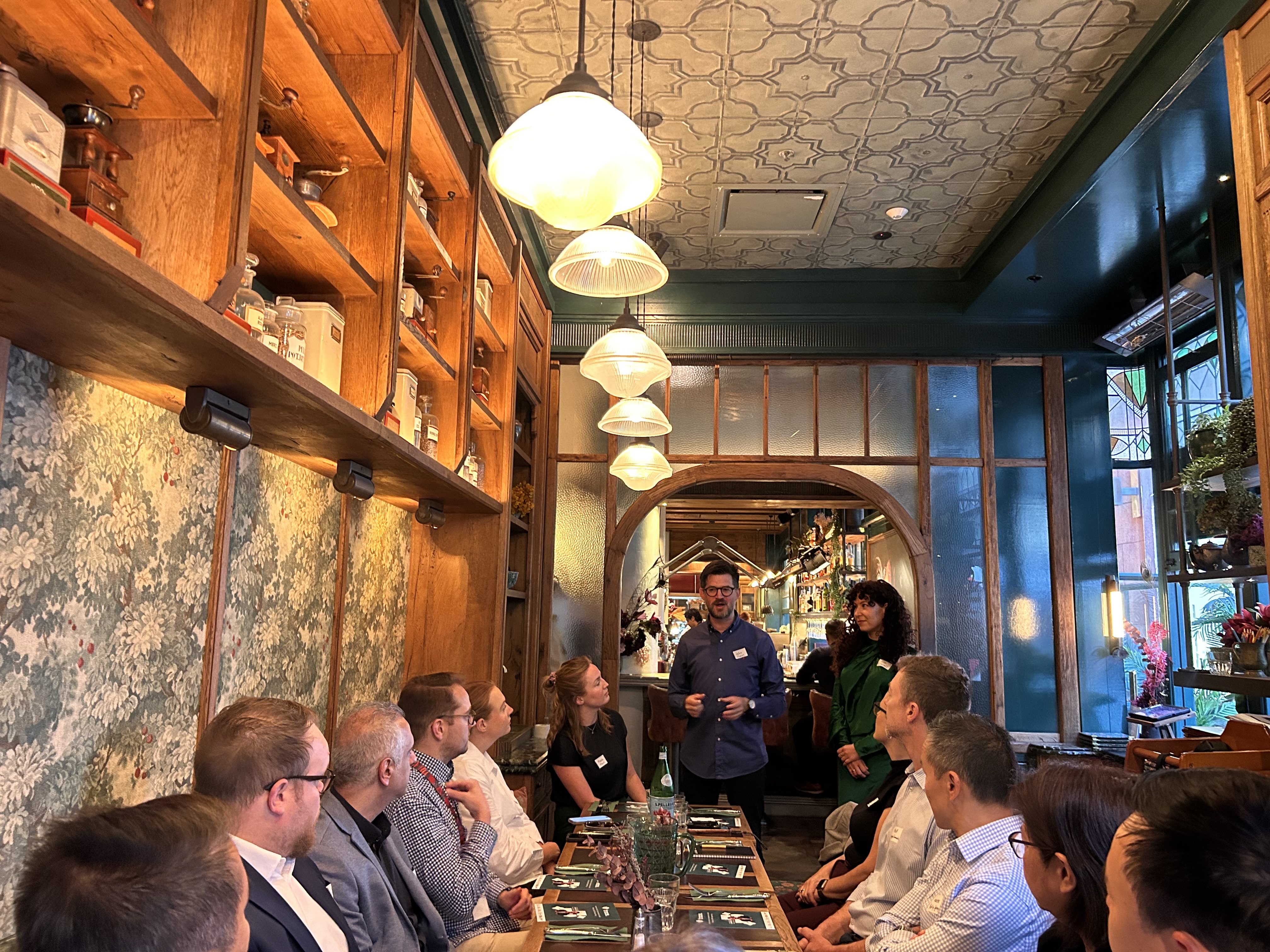
Last week I spent two days at CPA Australia's Sustainability Conference in Sydney. The session that stood out to me was a fireside chat on audit and assurance readiness with Samantha Sing Key (Grant Thornton), Aletta Boshoff (BDO) and Patrick Viljoen, CPA Australia's Sustainability Leader.
If you want the short answer to what auditors look for under limited assurance, it's this: they want to see how you got there. Australia's mandatory climate reporting regime, the Australian Sustainability Reporting Standards (ASRS) and specifically AASB S2 Climate-related Disclosures, starts companies on limited assurance. The panel was clear that auditors are focused on the process you followed and the exact words you commit to in your disclosure.
Around 4,500 Australian companies now have to report on climate, most for the first time. These are the points from the session I'd pass on to anyone preparing their next report.
Reasonable assurance is a positive statement: the auditor is satisfied the information is reported correctly. Limited assurance is a negative conclusion: the auditor reports that nothing has come to their attention to suggest the information is materially misstated. That sounds lighter, but if something does come to their attention, they may need to dig further to check it out.
The panel acknowledged there is very little guidance on what limited assurance looks like in practice, beyond it being less than reasonable assurance. The assurance standard, ASSA 5000, draws heavily on the financial audit standards, so in the case where sustainability teams are responsible for AASB S2, many are meeting a financial audit mindset for the first time. For finance teams, they are understanding climate-related reporting for the first time.
Aletta summed up the auditor's position under limited assurance as "tell me what you've done", adding that auditors are more interested in the process than the outcome. CPA Australia's official view, shared at the conference, is that limited assurance should remain in place for a while, until reporting maturity increases. At the moment, the Corporations Act requires reasonable assurance of all climate disclosures for financial years starting on or after 1 July 2030. Treasury consulted between August and October 2026 on three alternatives: keeping limited assurance permanently, delaying reasonable assurance to 2035, or requiring it only for more mature metrics such as Scope 1 and 2 emissions (BDO's summary). A decision hasn't been announced yet, and any changes won't affect reporting for the 2026-27 financial year.
Samantha emphasised the importance of language and words: "It doesn't matter what you intended, it matters what you put on the page." The auditor and the reader can't see the intention behind a disclosure. They can only see the wording, and a loosely worded statement can end up being investigated as a material one.
Patrick's advice was to use definitive language. Phrases like "could have", "would have" and "should have" leave room for interpretation, and room for interpretation invites questions and should never be used in disclosures.
An example that came up was targets. It is true that you should think about the impact of not setting targets on your investors, owners, customers and partners, but if you have not invested the time in setting targets, do not report any. The panel's view was that saying "no target" is fine if there's no consequence for those stakeholders, as long as it's a deliberate choice.
The panel noted that an auditor asking questions doesn't mean you've got it wrong. Auditors are required to ask, it's part of their process. What matters is whether you can answer.
Speakers across the conference made the same point about judgement calls. Why was a risk assessed as material or not? Which scenarios did you choose, and why? Which assumptions moved the numbers most? Record those decisions as you make them, including for risks you assessed qualitatively rather than quantified.
An audience member asked how an auditor would approach two companies in the same industry that reported very different risks and assumptions. The answer was that this can be entirely legitimate. Different suppliers or a different distribution footprint can change a company's exposure, as long as the reasoning is documented.
AASB S2 allows companies to use reasonable and supportable information that is available without undue cost or effort. The panel was firm that this gives flexibility in how you report. It doesn't change what's required.
One practical test offered up by Samantha was that if the information is on the first page of a Google search, obtaining it is not undue cost or effort. Companies are expected to know the basic information about their own business internally. The panel also noted that first-year reporting isn't about trying to cover everything at once, but what you do report needs to stand up.
The panel said investors look closely at governance and strategy, and less closely at emissions figures. A company that knows its risks and can show how it governs them reads well. One that can't identify its risks, or explain how it would respond, doesn't. The panel also encouraged reporters to connect the climate disclosure to the financial report, so the current and anticipated financial effects tell one consistent story.
A few practical steps for the next reporting cycle:
This is the work Trace is built around. Every number is traced to its source and every decision is documented as the work happens, so when the auditor asks, the answer is already there. We stay with customers through assurance, not just to a finished disclosure.
If your next climate report will be assured, book a call with our team to see how your evidence trail would build as you go.
Limited assurance is the level of assurance that applies to climate disclosures under AASB S2 as reporting begins in Australia. The auditor performs fewer procedures than in a reasonable assurance engagement and gives a negative conclusion: nothing has come to their attention suggesting the disclosure is materially misstated. If something does come to their attention, they may need to investigate further.
Reasonable assurance gives a positive conclusion that the information is fairly reported, and involves more extensive testing. Limited assurance gives a negative conclusion and involves less testing. There is little formal guidance on what limited assurance looks like in practice, beyond it being less than reasonable assurance, so expectations are still being set between reporters and auditors.
Auditors focus on how you reached your disclosures: the process you followed, the sources behind your numbers and the reasoning behind your judgements. They will also look closely at wording, because the words in the disclosure are what they assure. Documenting decisions as you make them is the most practical way to prepare.
No. AASB S2 lets companies use reasonable and supportable information available without undue cost or effort, which gives flexibility in how you report. It doesn't reduce what the standard requires. Information that is readily available, such as basic details about your own business, is expected to be used.
Yes. Materiality is a judgement, and the auditor will want to understand how you made it. Record why each risk was or wasn't assessed as material, including risks you assessed qualitatively rather than quantified. That record is what lets you answer the auditor's questions with evidence rather than recollection.
Trace is a climate reporting platform specialising in ISSB and AASB standards, helping businesses navigate mandatory climate disclosure with clarity and confidence.


London - Sydney